







Search Results for: winter ice cubes
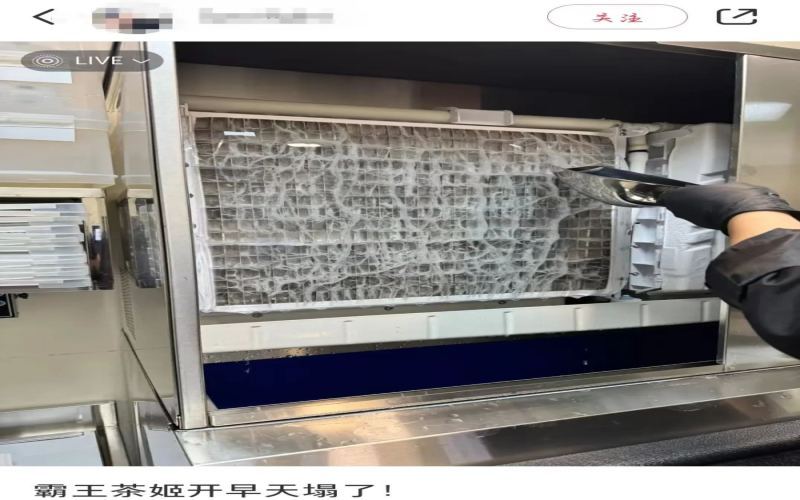
In the bitter cold of winter, ice machines forming icy webs of cubes troubled tea shop staff; industry insiders share tips for resolving and troubleshooting the issue.
Entering mid-December, temperatures across the country continue to drop, yet demand for iced drinks remains strong, and the ice machines in tea beverage shops still need to operate as usual in the severe cold of the north. Recently, an early-shift employee at Chagee arrived at the store and found the ice cube tray covered with foreign matter resembling a "spider web." Only upon closer inspection did they realize it was ice that had frozen into a thick layer overnight, preventing the machine from properly releasing the ice. This situation not only caught the staff off guard but also sparked discussions among peers about winter ice machine parameter adjustments, troubleshooting, and equipment quality. Front Street Coffee has noticed that similar problems are not uncommon in chain tea beverage stores, and how to respond scientifically has become a topic of concern for industry practitioners. [more…]

Two Approaches to Iced Pour-Over Coffee: An Analysis of Extraction Differences Between Adding Ice First and Adding Ice Later
While the north is still enduring the cold winter, the weather in Guangdong has quietly warmed up in January, and many coffee enthusiasts have begun to turn their attention to iced pour-over. In this article, Front Street Coffee selects the Ethiopian Yirgacheffe Red Cherry natural bean and conducts a practical test of two iced pour-over methods: one is to drop the ice directly into the sharing pot placed under the dripper, and the other is to mix the coffee liquid with ice only after the hot pour-over is completed. The two methods show obvious differences in flavor presentation. The former has a flat mouthfeel and insufficient layers, while the latter displays a full fruity feel and honeyed sweetness. The article records in detail the water temperature, coffee-to-water ratio, grind size, and staged pouring specifics, and explains how the V60 dripper structure affects extraction layering, helping readers understand the extraction logic behind ice-first versus ice-later. [more…]

Detailed Explanation of Cold Brew Coffee Refrigeration Shelf Life: Can Iced Coffee Be Heated and How Does the Taste Change?
In the cold of winter, cold drip coffee remains favored by many coffee enthusiasts. This article provides a detailed explanation of the differences between cold drip coffee and cold brew coffee, key production points, refrigeration storage time, and how the taste of iced coffee changes after heating. The article also shares Front Street Coffee's practical experience in cold drip production, including grind size, coffee-to-water ratio, and pre-infusion, and recommends coffee bean options such as Strawberry Candy, Kenya Asaliya, Sun-Dried Huakui, and Xizhua blend for different flavor needs. Whether you want to know how long cold drip coffee can be stored in the refrigerator or are curious about whether iced coffee tastes good after heating, you can find specific references here. [more…]
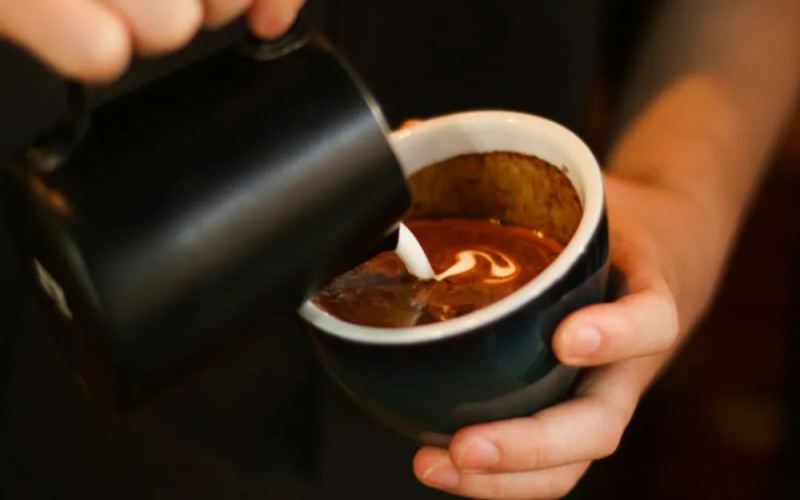
The Complete Guide to Making a Salty Mocha Coffee: A Detailed Tutorial from Purifying Milk to Both Hot and Cold Versions
Mocha coffee is richer in flavor and sweeter in aroma thanks to chocolate, and in recent years a variant called "Salted Mocha" has gone viral online. After trying it personally, Front Street Coffee found it truly excellent, so we've put together this complete tutorial. The article will detail the ingredient preparation for a Salted Mocha, including purified milk that takes a full day to make, as well as the pairing of espresso, chocolate sauce, unsweetened cocoa powder, and salt. The preparation section covers both hot and iced versions of the Salted Mocha—the former uses a tea whisk for stirring and steaming milk for latte art, while the latter is shaken in a cocktail shaker for an icy, rich experience. Throughout, Front Street Sunflower·Warm Sun blend coffee beans are used, which pair perfectly with the chocolate flavor. [more…]
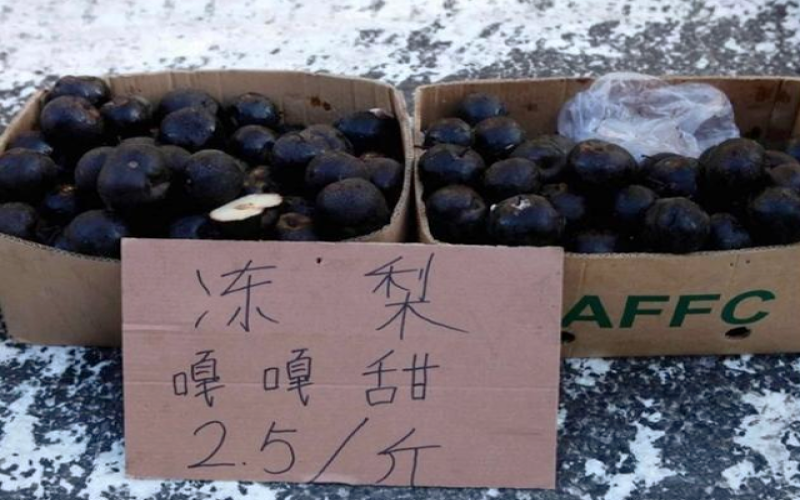
Luckin's launch of Frozen Pear Americano sparks heated discussion; netizens say its taste is comparable to rock sugar snow pear
In the depths of winter, the Northeastern specialty frozen pear has once again become a focal point—this time, it has sparked a new trend by colliding with coffee. KFC, Nestlé, and Luckin Coffee have all coincidentally launched frozen pear coffee series, among which Luckin's Big Frozen Pear Americano, a collaboration with the TV series *Country Love*, has drawn considerable attention. However, this new product has been collectively criticized by netizens for being too sweet and having a weak coffee presence, with many saying it tastes just like Master Kong's Rock Sugar Snow Pear juice, triggering a heated online discussion about the taste of frozen pear coffee. [more…]
American Coffee Bean Recommendations | Is It Normal for Iced Americano to Taste Sour? What Factors Affect the Flavor and Mouthfeel of Iced Americano?
I believe many coffee lovers start with instant coffee, then summon the courage to step into a Starbucks, only to be intimidated by the menu. Fortunately, they spot the familiar Americano. Compared to hot Americano, iced Americano is more popular. Whether winter or summer arrives, a cup of iced Americano can bring [more…]

How much ice and water should go into an iced Americano? Is it normal for coffee to taste sour? A detailed guide to the perfect Americano ratio
Iced Americano, with its refreshing and palate-cleansing taste, has a large fan base regardless of winter or summer. But many coffee lovers notice that the iced Americano they drink sometimes tastes sour, and sometimes bitter—is the coffee spoiled, or is it a characteristic of the beans themselves? There are many versions of the story about the origin of Americano, and its flavor expression is actually closely related to the coffee bean's growing region, roast level, and extraction ratio. This article will analyze the causes of sourness, roasting trends, and the differences between SOE and blended beans, and share the specific ratios and parameters used by Front Street Coffee when making hot and iced Americanos, to help everyone find the cup of Americano that suits their taste. [more…]

Hot Coffee Beats Iced Coffee for Beating the Heat? A Scientific Look at the Temperature Debate in Summer Coffee Drinking
On a scorching summer day, with temperatures approaching 40 degrees Celsius, would you rather pick up a glass of iced coffee or a hot coffee? Most people's instinct would be to choose a cold drink to dispel the heat, yet scientific research gives the exact opposite answer: a hot beverage may actually be the truly effective way to cool down. This article explores in depth the pros and cons of iced coffee versus hot coffee in summer from the perspectives of taste perception, the principle of ice dilution, and the body's sweating and evaporation mechanisms, and analyzes why some people insist on drinking hot coffee in the sweltering heat. Whether you are a loyal fan of iced coffee or a staunch supporter of hot coffee, this discussion about temperature and how it feels to the body is worth a read. [more…]
A Complete Guide to Starbucks Classic Espresso Drinks: Americano Taste Analysis and Iced Drink Ordering Tips
Starbucks is a daily choice for many coffee lovers, and its classic espresso-based drinks span a range of categories, both hot and cold. This article systematically breaks down the ingredient ratios and flavor characteristics of core beverages such as Americano, Latte, Cappuccino, Caramel Macchiato, Mocha, and Espresso, along with price ranges for reference. It also shares practical tips for ordering iced drinks, including why you should avoid an iced Cappuccino and which hidden combinations are worth trying. Whether you're a newcomer to Starbucks or a regular looking to switch things up, this guide can help you find the cup that suits you more efficiently. [more…]
A Complete Analysis of Starbucks' Classic Espresso Drinks: Flavor Comparison of Eight Beverages Including Americano, Latte, and Flat White
Starbucks is a coffee brand beloved by many urban white-collar workers. Some people are passionate about collecting its merchandise cups, while others only drink its offerings. This article systematically sorts out the recipes, taste characteristics, and price ranges of Starbucks' classic espresso drinks, covering eight hot beverages including Americano, Latte, Cappuccino, Caramel Macchiato, Mocha, Espresso, Espresso Con Panna, and Espresso Macchiato, along with cold drink reminders and recommended secret menu hacks. Whether you are a beginner who has just encountered Starbucks or a seasoned connoisseur looking to find the flavor that suits you best, this guide can help you quickly pinpoint your ideal choice. [more…]

Why Does Cold Brew Coffee Have a Unique Flavor? How Does It Compare to Hot Coffee? Plus Four Front Street Cold Brew Bean Recommendations
Iced coffee is refreshing and cuts through richness, and even in the depths of winter, many customers make a special trip to Front Street to order a cup. Cold brew and hot brew have completely different extraction principles, and their flavor profiles each have their own strengths. This article begins with the origins of cold brew coffee, sorts out the flavor logic of low-temperature slow extraction, and shares details to note when making cold brew, such as bean selection, grinding, coffee-to-water ratio, and steeping and storage. It also presents four floral-and-fruity Front Street single-origin beans suitable for cold brew—Natural Huakui, Kenya Little Tomato, Colombia Sidra, and Panama Butterfly—to help you find your own cup of icy, sweet-tart refreshment. [more…]
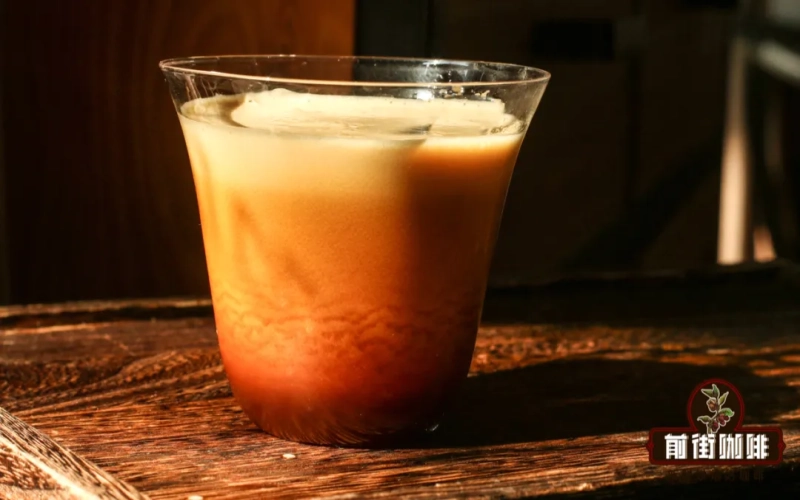
Full Guide to Making Flowing Iced Americano: Three Whipping Methods and Ice-to-Water Ratios Explained
The Start of Winter in Guangdong often feels like a mere formality—after a brief cooldown, the heat quickly returns, so the demand for iced coffee naturally stays high. As a classic heat-beating staple in cafés, iced Americano and its creative variations also attract plenty of attention. Among them, the "quicksand iced Americano" has recently been the item most frequently asked about by customers at Front Street Coffee locations. Although Front Street Coffee does not sell this product, its production principle is in line with that of iced Americano, with the only difference being the technique. This article will begin with the formation principle of the quicksand effect, then introduce in detail three different frothing methods—the espresso machine steam wand, the shaker, and the French press—and provide the specific ratios of coffee liquid, ice cubes, and water required for each. At the same time, it will also share espresso bean choices suitable for making iced Americano, including Front Street Coffee Huakui SOE, Front Street Coffee Grana Geisha SOE, and several blends, to help everyone recreate this distinctive deliciousness at home. [more…]

The classic collision of cream and coffee: easily make two versions of Vienna coffee at home.
Viennese coffee is a specialty drink of Vienna, the capital of Austria, and on local menus it also has a more down-to-earth name—"Coachman's Coffee." The birth of this coffee is closely tied to the winter-night travels of a street coachman during the Austro-Hungarian Empire; to stay awake, fill his stomach, and replenish heat, he combined cream and sugar with coffee, accidentally creating a classic cup. Today, Viennese coffee has evolved into a modern version of "latte + cream," which is simple to make and easy to recreate at home. This article will take you through its origins and show you step by step how to make both the original and the current versions of Viennese coffee, so you can experience the rich, full texture of cream intertwined with coffee. [more…]
Common Types of Americano | How Many Flavors of Americano Are There? How Do Coffee Shops Serve Americano Black Coffee? Which Coffee Bean Blends Are Suitable for Making Americano?
No matter the season, Americano is the most frequently ordered drink in coffee shops. In winter, a hot Americano is warm and mellow, while in summer, an iced Americano is refreshing and delicious. So how is this drink, popular in every street and alley, made? Please follow Front Street Coffee to learn about it. Was Americano invented by Americans? Americano's [more…]

A Comprehensive Comparison of Cold Brew and Hot Brew Coffee: A Complete Guide from Extraction Principles to Summer Iced Drinks
When the scorching summer arrives, a glass of iced coffee often becomes the favorite of many. However, what exactly are the differences in flavor expression between cold brew coffee and iced pour-over, which is extracted at high temperature and then cooled down? This article will start with the historical origins of cold brew coffee, deeply compare the essential differences in extraction mechanisms between low-temperature slow extraction and high-temperature pour-over, and share the practical experience summarized by Front Street Coffee in making cold brew—including the direction for selecting coffee beans, reference ranges for grind size and coffee-to-water ratio, control of steeping time, and key points for storage. Whether you are a beginner who has just encountered cold brew or an enthusiast hoping to refine your skills, you can find content worth referencing here. [more…]

Yirgacheffe Natural Adado Iced Pour-Over Guide: A Full Breakdown from Origin Flavor to V60 Brewing Process
The Yirgacheffe region is warm and humid year-round, shrouded in mist, and its unique microclimate gives the coffee beans their signature citrus and floral notes. Front Street's Yirgacheffe Natural Red Cherry, as a high-grade representative, retains the complete fruit skin and pulp and is dried on raised beds for more than two weeks, creating a clean and full-bodied fruit sweetness, making it especially suitable for iced pour-over. This article will begin with the terroir of the origin and the processing method, and then gradually break down the iced pour-over parameters and technique for Front Street's natural Yirgacheffe: 15 grams of grounds, 150 milliliters of water poured, 100 grams of ice cubes, a water temperature of 92 degrees Celsius, an EK43s setting of 9.5, a V60 dripper, pouring in three stages and completing extraction within 1 minute 30 seconds to 1 minute 50 seconds, and finally shaking to mix and cool, allowing the coffee to present clear floral and fruity aromas in the cold. [more…]
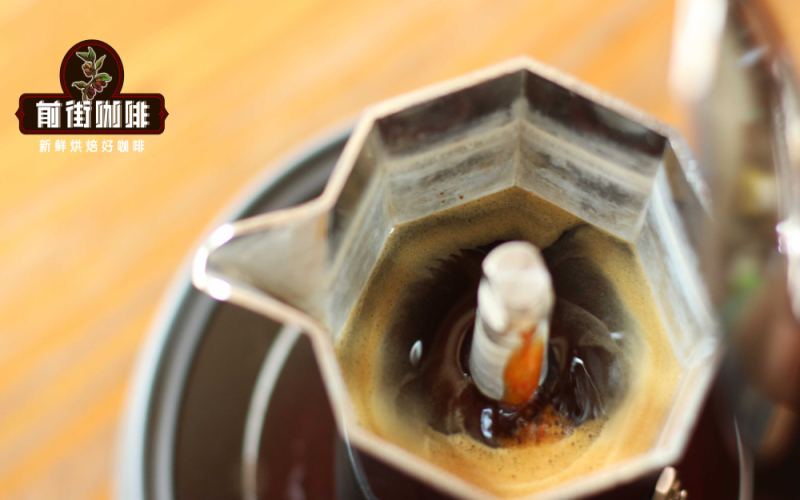
When to Remove the Moka Pot from Heat? Full Analysis of Latte-Making Parameters and Operational Details
The moka pot is a common espresso brewing tool in Italian households. It uses steam pressure from the lower chamber to push hot water up to the upper chamber, producing coffee that is rich and full-bodied, balancing acidity and bitterness with a small amount of crema. It is very suitable for adding milk to make a latte. This article focuses on the timing of turning off the heat when brewing coffee with a moka pot, coffee bean selection, grind size, dosing and water control, and the specific brewing steps for a latte, helping enthusiasts consistently reproduce a fragrant, rich cup of moka pot coffee at home. The article also provides pairing suggestions based on bean options such as Front Street Classic Blend, Front Street Dark Cocoa Blend, and Front Street Queen's Estate SOE. [more…]

The Art of Detail in Coffee Takeout Packaging: The Complete Design Logic from Leak-Proof Venting to Heat-Preserving Compartmentalization
Takeout coffee has become an important part of daily consumption. From the moment a store hands off an order to the moment a rider delivers it, packaging design directly determines whether the cup of coffee the customer receives is intact, whether the temperature is right, and whether the taste is as good as it was fresh. Behind a cup of takeout coffee lies a series of detailed considerations: vent holes, leak-proof paper, foil insulation, separate packing and bagging, and even rain bags and custom packing boxes. These seemingly inconspicuous packaging steps not only affect order efficiency and the consumer experience, but also serve to spread word of mouth for the brand. This article will break down, one by one, the often-overlooked tricks of the trade in coffee takeout packaging, and look at how merchants strike a balance between preventing spills, keeping coffee warm, and preserving taste. [more…]
From coffee origin legends to the full growing and processing journey: a detailed guide to variety classification, brewing recipes, and health benefits
Coffee, derived from the Greek word "Kaweh," means "strength and passion." This article systematically traces the journey of coffee from the shepherd's legend to its global spread, explains in detail the characteristics and origins of the three major species—Arabica, Robusta, and Liberica—surveys classic single-origin coffees such as Blue Mountain, Colombia, and Mocha along with more than thirty flavored coffee recipes, introduces the varietal composition of Yunnan coffee, and provides an in-depth explanation of the entire process of coffee cultivation, primary processing, and roasting techniques, as well as the many health benefits and drinking contraindications of coffee. Whether you are a beginner just starting out or a seasoned enthusiast, you can gain practical knowledge and tasting inspiration from it. [more…]
Is it normal for iced Americano to taste sour? Analyzing the source of acidity from the perspectives of bean variety and roasting
Many friends who are new to coffee, upon tasting an iced Americano with a sour note for the first time, often suspect that the coffee beans have gone bad. In fact, the acidity in coffee has no direct connection to the quality of the beans themselves; what truly plays the decisive role is the terroir of the coffee beans' origin and the depth of the roast. This article will analyze why iced Americano tastes sour, tracing the history of Americano from its origins to the influence of the third wave of specialty coffee on roasting trends, and, drawing on examples from Front Street Coffee (FrontStreet Coffee), explain under what circumstances acidity constitutes a normal and high-quality flavor expression, while also offering practical ordering suggestions to help everyone more confidently find the cup that suits their taste. [more…]